
Beyond 9-to-5: Building Better Workflows for Neurodivergent Professionals

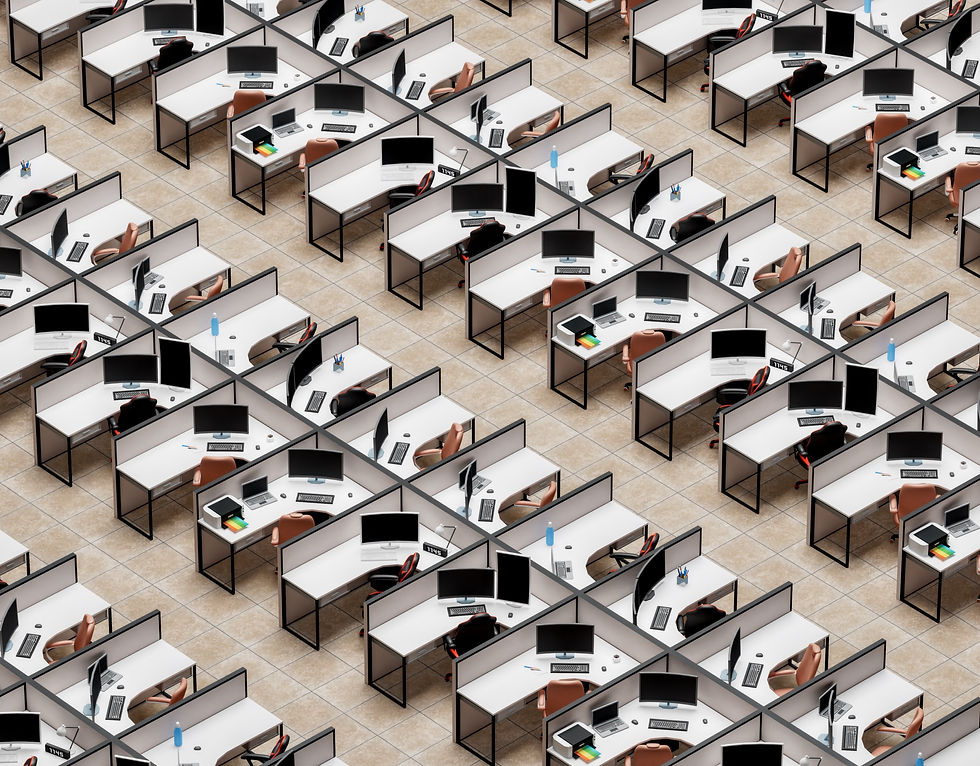
Look, we've all heard it. The 9-to-5 is the gold standard. That's how "real work" gets done. Eight hours at your desk, consistent output, everyone following the same playbook. But if you're neurodivergent, you probably already know that this whole setup is kind of a disaster. Your energy isn't on some predictable schedule. You can't just power through when you're running on empty. And honestly? The way your brain works is completely different from what this system assumes.
So let's talk about what's actually not working and what might work better. Whether you're working for yourself, trying to negotiate some flexibility at your current gig, or doing the remote work thing, there are real ways to structure your day that match how you actually operate.
The 9-to-5 Problem Is Real
When someone designed the standard workday, they made a bunch of assumptions. They assumed everyone has the same energy level all day long. They assumed breaks can wait. They assumed productivity is this linear thing that just keeps going and going. For neurodivergent people, this is basically fiction.
You might find yourself losing complete track of time and having no clue if a task took 20 minutes or three hours. You might sit down to start something and hit a brick wall, or you switch between tasks but can't actually finish anything. Noise, bright lights, or too many people talking can leave you completely drained by noon. Maybe you're masking all day, dealing with constant overstimulation, and then you just shut down. You crash hard.
But here's what matters: this isn't a flaw in you. The 9-to-5 simply doesn't account for how neurodivergent brains actually work. The system is the problem, not you. Once you accept that, you can start building something different.
Actually Building Something That Works
Creating a workflow that doesn't drain you takes some experimentation, some paying attention to what happens, and pushing back against everything you've been told about how work "should" look. But it's totally doable. Here are some principles to guide the way.
1. Work With Your Energy, Not Against It
Your brain doesn't turn on at 7 AM and stay cranked until 5 PM. Most neurodivergent people have natural peaks and crashes throughout the day. So don't fight it. Spend a week just paying attention to when you actually feel sharp and when you want to sleep. Once you know your pattern, schedule the hard stuff, the creative work, the things that need real thinking for your peak times. Use your low-energy times for the easier tasks, the stuff that doesn't require as much mental firepower, or just take an actual break. You're not trying to squeeze eight perfect hours out of every day. You're trying to do good work when your brain is actually available for it.
2. Measure By What You Get Done, Not How Long You Sit
Counting hours is a trap, especially if you struggle with executive function. The moment you miss a time target, the shame starts creeping in. Switch it up. Decide what "done" actually means for a task, not how long it should take. Break bigger projects into smaller pieces so you feel like you're making progress even if it's not huge. Keep a running list somewhere, maybe a checklist or Trello or even sticky notes. Track what you're actually completing. Once something is finished, you get to stop. You don't have to keep going until some arbitrary time. That permission to rest after finishing something is huge.
3. Get Someone Else in the Room
Tons of neurodivergent people find that working next to someone else just clicks. There's something about another person being there that makes it easier to focus and easier to actually get started. You could jump on a virtual co-working session with someone through Focusmate or Caveday. You could work in the same room as a friend or coworker. You could find other ADHD or neurodivergent folks and schedule working time together. You don't even have to be doing the same thing. Having that presence nearby, knowing someone else is working too, can be the push you need.
4. Figure Out What Helps and Hurts Your Nervous System
Taking care of your sensory experience is usually the first thing to get ignored when we talk about work. But it's actually everything for managing your energy. Think about it for a second. What helps you focus? Maybe white noise or lo-fi music. Maybe a weighted blanket. Maybe something to chew on or fidget with. Now what kills your focus? Fluorescent lights? People talking constantly? Phone calls back-to-back? Once you know, you can start adjusting. Take little breaks throughout the day to reset. Stretch for a few minutes. Go outside. Do whatever helps your nervous system calm down. These micro-resets can keep you going way longer.
5. Work in Bursts, Not One Long Block
Most offices expect you to show up and focus for hours straight. Most neurodivergent people don't work that way. Maybe you crush it from 9 to 11 AM, then take a long break and work again from 3 to 6 PM. Maybe you do four shorter work sessions spread throughout the day, like the Pomodoro technique. Maybe you actually come alive at night and that's when you get your best work done. Stop trying to force one continuous block. Design your day in waves. Work for a bit, step back, work again. This rhythm prevents that horrible crash that happens when you push too hard.
6. Create a Ritual to Get Started
The hardest part of the day is often just beginning. A consistent ritual that signals to your brain that it's time to work can change everything. Maybe you make a specific kind of coffee. Maybe you put on a particular playlist that automatically puts you in focus mode. Maybe you light a candle or adjust the lighting just right. Maybe you spend two minutes writing down what you're actually going to focus on. Once you have those little cues that tell your brain "we're starting now," the resistance to getting going goes way down.
7. Build in Time to Actually Recover
If there's no time built into your day for your brain and body to recover, you're on the fast track to burnout. Recovery isn't something you earn after you hit your productivity quota. It's the thing that makes productivity possible in the first place. Leave space between meetings or work blocks so you're not just running back-to-back. End your day with an actual transition routine, something that says "work is over now." Take at least one break where you're not trying to accomplish anything. Go for a walk. Play a game. Take a nap. Downtime isn't wasted time. It's how your brain puts itself back together and releases all that accumulated stress.
8. Stop Measuring Yourself Against Neurotypical Standards
So many neurodivergent professionals carry this voice in their head that says they need to work like a neurotypical person. It leads to this awful cycle of pushing too hard, crashing, and then feeling ashamed about it. Instead, try asking yourself what felt sustainable. What actually helped your brain today, even if you didn't produce as much as you thought you should? Notice all the hidden work you do just to keep yourself regulated and functioning. That counts. Progress isn't always visible on a spreadsheet. A real workflow is one that respects what you actually need, not what some productivity guru says you should be capable of.
What This Actually Looks Like
The creative contractor structures their week into three 90-minute work blocks with real breaks in between to decompress sensorily. One block is for client meetings, one for the actual creative work, one for handling admin stuff. They wear noise-canceling headphones and use timers they can see. Their best work actually happens after 2 PM, so that's when they schedule the harder tasks.
The remote marketing manager starts each day with a 15-minute planning session and then does one solid 2-hour block of focused work. The rest of the day gets broken up between admin tasks, quick check-ins with the team, and some flexible time when ideas are bouncing around. They use co-working spaces when they need that external push and always finish the day with a calming playlist and some movement to transition out.
The solopreneur ditched the daily schedule entirely and uses a weekly rhythm board instead. Each day has a theme. Maybe Monday and Wednesday are content days. Thursday is for reaching out to people. Friday handles money stuff. They work in short bursts with fidget breaks and dance breaks mixed in, and they use color-coded sticky notes to track everything so they can move things around when needed, push them to tomorrow, or celebrate when something's done.
You Deserve Better Than This
The 9-to-5 works great for some people. But it's not universal, and it definitely doesn't work for most neurodivergent folks. Real sustainability means working alongside your brain instead of fighting it. It means deciding what success actually means for you. It means letting go of the shame around productivity and the idea that you should work like everyone else.
Maybe you're in a traditional job right now and you're trying to figure out how to push for some flexibility. Maybe you're freelancing and you have the freedom to build your own schedule. Maybe you're just starting to think about what would actually work for you. Whatever your situation, you get to design work that doesn't drain you completely. You deserve a rhythm that lets you breathe, that gives you room to actually build something, and that lets you show up as yourself.
The work you do matters. But the way you work matters just as much.
Want to Actually Make This Change?
If you're ready to stop pushing yourself into a box that doesn't fit, here's where to start. Pick one principle from above. Just one. Spend the next two weeks experimenting with it. Maybe you track your energy for a few days to see when you actually peak. Maybe you find one person to do body doubling with. Maybe you create one simple start ritual. Notice what happens. What felt easier?
What gave you more energy? What made a real difference?
After those two weeks, if something worked, keep it. Add another experiment. Build from there. This isn't about overhauling everything overnight. It's about slowly, thoughtfully creating a way of working that actually respects how your brain functions.
If you want support in building this or you're stuck on where to start, reach out. Whether you're working with a coach, a therapist, a trusted friend who gets it, or even an online community of neurodivergent professionals, you don't have to figure this out alone. Share what you're learning. Ask questions. See what works for other people and adapt it for yourself.
Your work matters. You matter. And you deserve a workflow that proves it.
Disclaimer: This content is NOT meant to be a replacement for therapy. This is also not treatment advice or crisis services. The purpose of this content is to provide education and some fun. If you are interested in receiving therapy look up a therapist near you! If you are in Columbus, Ohio visit www.calibrationscc.com to schedule with one of our counselors today! We offer free video consultation calls so you can make sure we will be a good fit for you.



Comments